
Latest Technologies Used For Spine Treatment In India
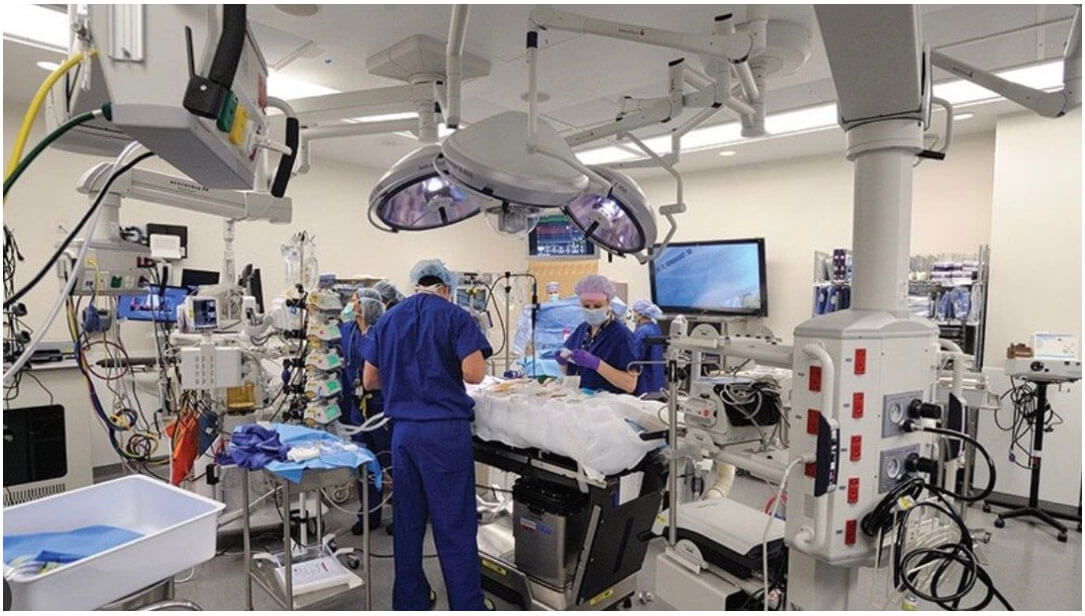
India has developed to be a premier global center in state-of-the-art spine treatment technologies, delivering the best medical technology and expertise. All these recent technological advances have significantly enhanced the surgical accuracy, safety, and healing of a wide range of spinal disorders, including herniated discs and scoliosis, to intricate spinal abnormalities and tumors. The nation has become home to some of the most advanced spine surgery units with robotics and navigation devices that match those of the West at lower prices.
Revolution in Robotics Spine Surgery

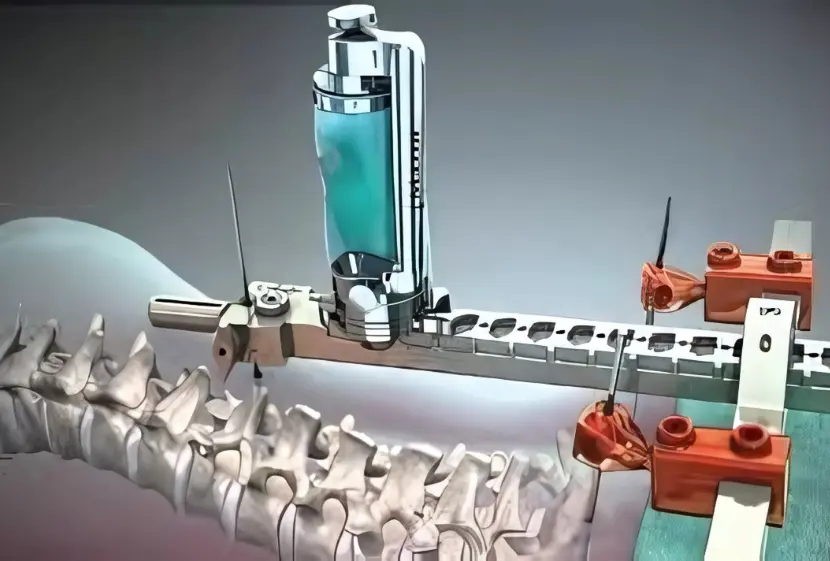
Robotic-assisted spine surgery is the new wave of innovation in the field of spine care in India. Robotic systems such as the Mazor X Stealth Edition and ExcelsiusGPS are state-of-the-art robotic systems in use in hospitals such as Manipal Institute of Robotic Spine Surgery (MIRSS) in Bengaluru, and PSRI Hospital in Delhi. These robots assist surgeons in planning each surgery using high-definition 3D imaging and perform it with less than sub-millimeter precision. The robotic arm controls the surgical tools to follow the preoperative plan precisely and with minimum tissue trauma, and won’t cause risks of nerve injuries. This technology enhances the accuracy of screw placement, which is significant in surgeries of spinal fusion and correcting deformities.
Minimal Invasive Spinal Surgery (MISS)
Minimally invasive procedures have become massively popular in India, as well as robotic devices. MISS employs small cuts coupled with special tools and image guidance to correct issues in the spine and avoid muscle loss in the area. Microdiscectomy, percutaneous screw fixation, and endoscopic surgery of the spine are techniques that lead to reduced blood loss, less pain, faster recovery, and reduced hospitalization. As patients are gaining rapid mobility and with reduced complications, MISS has become a standard choice of treatment in ailments such as herniated discs, spinal stenosis, and degenerative disc disease.
State-of-the-Art Navigation Systems and Imaging

Intraoperative imaging and 3D navigation systems, such as O-arm imaging systems and StealthStation, have become a part of modern spine surgery in India. The systems offer real-time visualization of the anatomy of the spine, and surgeons can find their way through complicated-looking cases of tumors, fractures, or spinal deformities. If the implants with pedicle screws, cages, and rods are to be placed, the live 3D images guarantee the achievement of accurate positioning. All these technologies, together with the robotic systems, have a synergistic effect that makes them more effective and safer.
Artificial Disc Replacement Technologies

Artificial Disc Replacement (ADR) is a developing technology that is meant to offer a solution to degenerative disc disease by maintaining spine flexibility. In contrast to conventional types of fusion surgery, ADR substitutes disrupted discs with synthetic discs, which provide a natural movement of the vertebrae after the surgery, M6-C and Prodisc C Vivo. ADR is an option that has become a possibility in Indian spine centers, particularly for patient who are interested in preserving their mobility and alleviating the stress on adjacent segments that might develop due to the fusion surgeries.
Endoscopic Surgery and Laser Surgery of the Spine
Laser spine surgery uses a focused laser energy to excise herniated or protruding disc material with a minimal amount of damage to the surrounding tissues. This may be used in cases where nerves are compressed, such as sciatica, to have the advantage of less postoperative pain and faster recovery. Also, endoscopic spine surgery involves the use of small cameras and tools that can be inserted through small holes, making it possible to treat disc herniations and spinal stenosis with exquisite visual use. Both technologies are used in the context of outpatient or day-care spine surgery in India, with the focus on comfort and quick recovery.
Artificial Intelligence (AI)-Based Preoperative Planning and Augmented Reality
The technology of artificial intelligence (AI) is finding its way into preoperative surgical planning, where the systems analyse imaging data to create personalized and optimized surgical plans. Surgimap is AI-powered to assist surgeons in assessing the spinal alignment and to anticipate the postoperative results. Next to AI, there is the introduction of the Augmented Reality (AR) technology in a few centers in India, which enables surgeons to see real-time overlays of anatomical and navigational information in their field of view. AR helps to increase accuracy during the placement of the implants and decreases the use of outside monitors.
Regenerative Medicine and Biologics
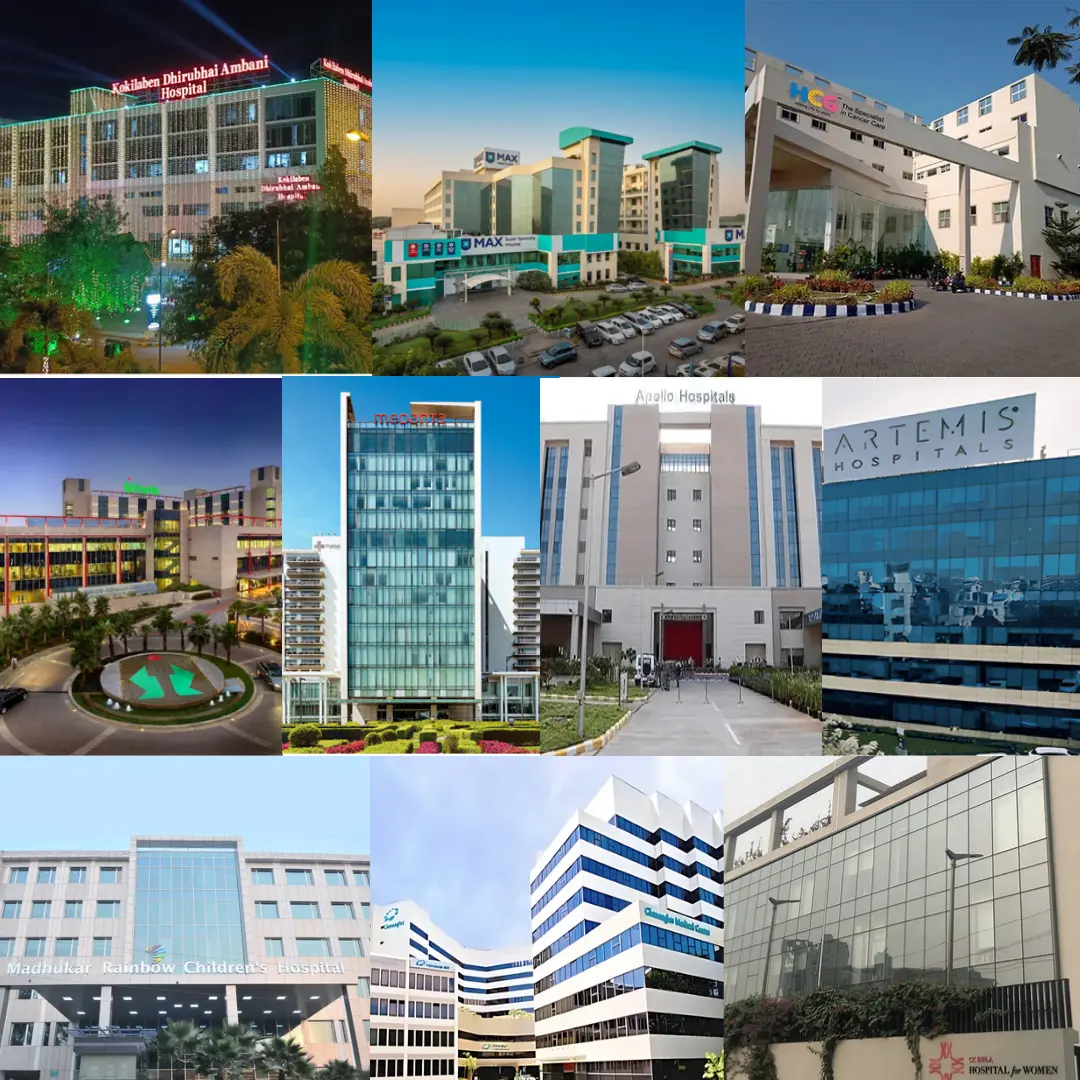
New biologic treatments are finding their place in the treatment of the spine in India. The methods that make use of stem cells, platelet-rich plasma (PRP), and bone morphogenetic proteins (BMPs) are created to assist in the healing of tissues and spinal regeneration. Top-level hospitals such as Medanta and Artemis are now offering them not only as a supplement to surgery, but also as a treatment option in mild cases of degeneration, which could lead to better fusion and a shorter recovery period.
Hybrid Spinal Surgery
Hybrid spine surgery is a method that is a combination of motion-sparing techniques, such as artificial disc replacement, with the conventional fusion technique in cases of complex spinal deformity or instability. The result of this customized design is stability and flexibility, which provides improved biomechanical performance in patients with complex spinal problems. Indian surgical teams with cutting-edge robotics and navigation are leading the way in hybrid surgeries.

Intraoperative Neuro-Monitoring (IONM)
Intraoperative Neuro-Monitoring is a very essential safety technology applied in spine surgery to continuously monitor nerve activity in complex operations. IONM is a real-time nerve monitoring system that notifies the surgeon immediately when a nerve is irritated or damaged. This avoids postoperative neurological losses and is standard practice at major Indian spine surgery centers regarding surgeries involving the repair of a deformity or resection of a tumor.
Spinal Implant
Spine care in India is also adopting implant technology to improve surgery. Titanium cage, expandable interbody devices, and 3D-printed implants that are customized enhance biomechanical stability and bone incorporation. These implants are created to be able to restore the height and alignment of the spine, as well as minimize the complications of the implants. Developed implant technologies and material science have made India a place where there is state-of-the-art orthopedic and neurosurgical care.
Improved Recovery and Benefits to Patients
Robotic systems, minimum invasion, high-quality imaging, and biologics have changed the experiences of patients within the spine treatment environment in India. The patients enjoy smaller incisions, reduced pain, minimal blood loss, and short hospital stays. Earlier recovery and faster recovery to activities of daily living are a great boost to the quality of life. On top of this, the technologies enable safer surgeries on older patients or other high-risk patients and expand access to high-tech spine care.
Conclusion
India has become a leading destination for spinal care because of its leadership in the adoption of the latest spine treatment technologies, such as robotic-assisted surgery systems, such as Mazor X Stealth Edition and ExcelsiusGPS, minimal invasiveness, AI-assisted planning, and regenerative medicine. Medical tourists and domestic patients are attracted by high success rates, international standards of quality, affordability, and complete support for patients. India is giving hope to the future of spine surgery care in the world with its unending inventions and skills.
Contact - +91 9971444011, +91 7428116028
Email - info@medotil.com
Visit - www.medotil.com