
Introduction
Cardiac arrhythmia is an ailment of the heart that sees the organ beating abnormally; it could be too fast, too slow, or irregular. This condition arises from disturbances in impulses that direct heartbeats. This condition is not unique and may be in different degrees, from a minor one to more complicated forms that are fatal, such as atrial fibrillation, ventricular tachycardia, or ventricular bradycardia. Common signs may be palpitations, chest pain, dizziness, or fainting, and shortness of breath. Sometimes they do not cause symptoms, but can cause life-threatening conditions such as stroke or heart failure. Current interventions include pharmacological management, weight reduction, fasting, catheter ablation, or implantation of a pacemaker or implantable cardioverter-defibrillator.
Cost Comparison
The cost of cardiac arrhythmia treatment varies widely anywhere in the world, depending on the hospital, the patient’s overall health condition, etc. The average cost of cardiac arrhythmia in India is USD $5000.
But be assured as the cost of Cardiac Arrhythmia in India is just a fraction of developed nations.
- Avg Cost of treatment - $5000
- Maximum cost of treatment - $18000
Factors affecting Cost of treatment
- Type and Severity of Arrhythmia The overall cost is highly dependent upon the type and severity of the arrhythmia; complex, or life-threatening, cases require advanced and expensive interventions.
- Diagnostic Tests: The accretion of expenses is incurred from ECG, Holter, echocardiography, advanced imaging, and electrophysiological studies needed for accurate diagnosis and treatment plan.
- Treatment Approach: Selection of treatment options such as medication, catheter ablation, or pacemaker and implantable device insertion has a great effect on costs.
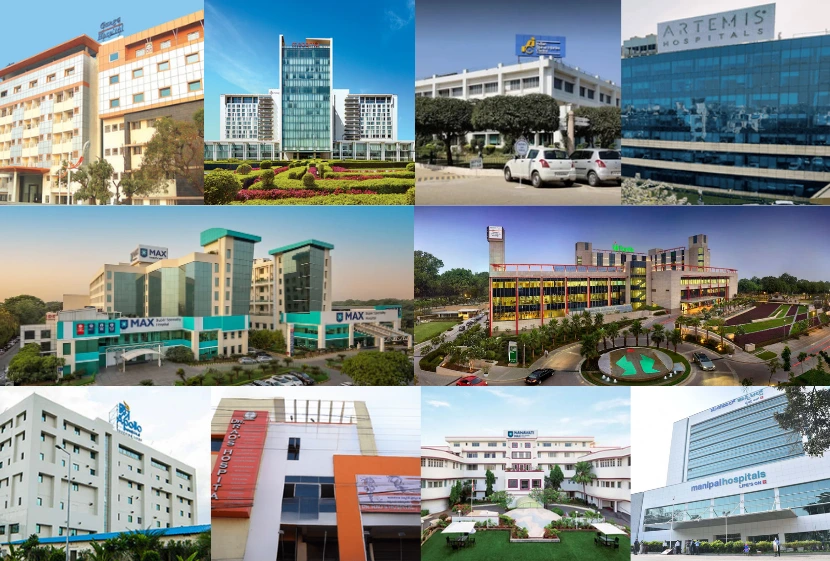
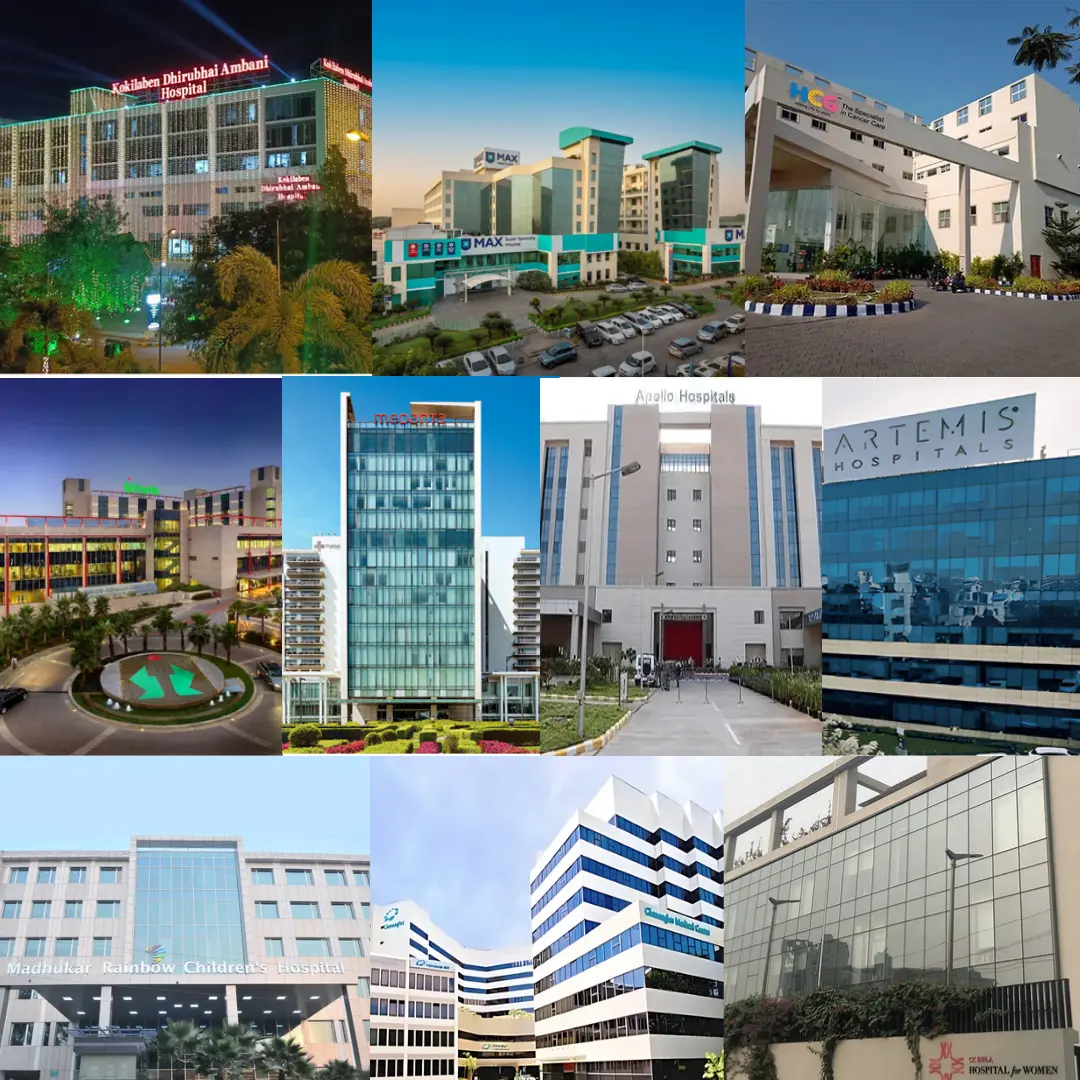
- Hospital and Location: The cost of treatment varies depending on the location of treatment in cardiac centres in the metropolitan cities vs. smaller hospitals with limited facilities.
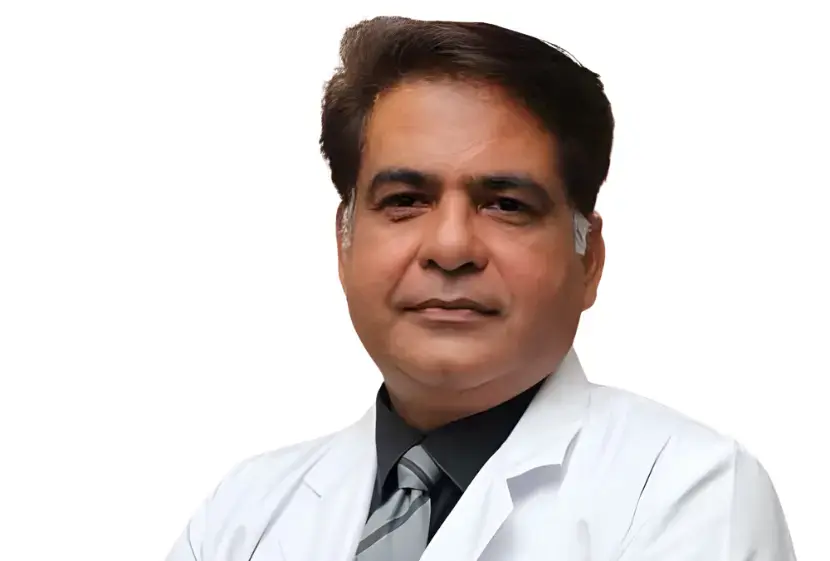
- Specialist Fees: The charges for consultation and procedures by experienced cardiologists and electrophysiologists in well-known hospitals for such procedures are high.
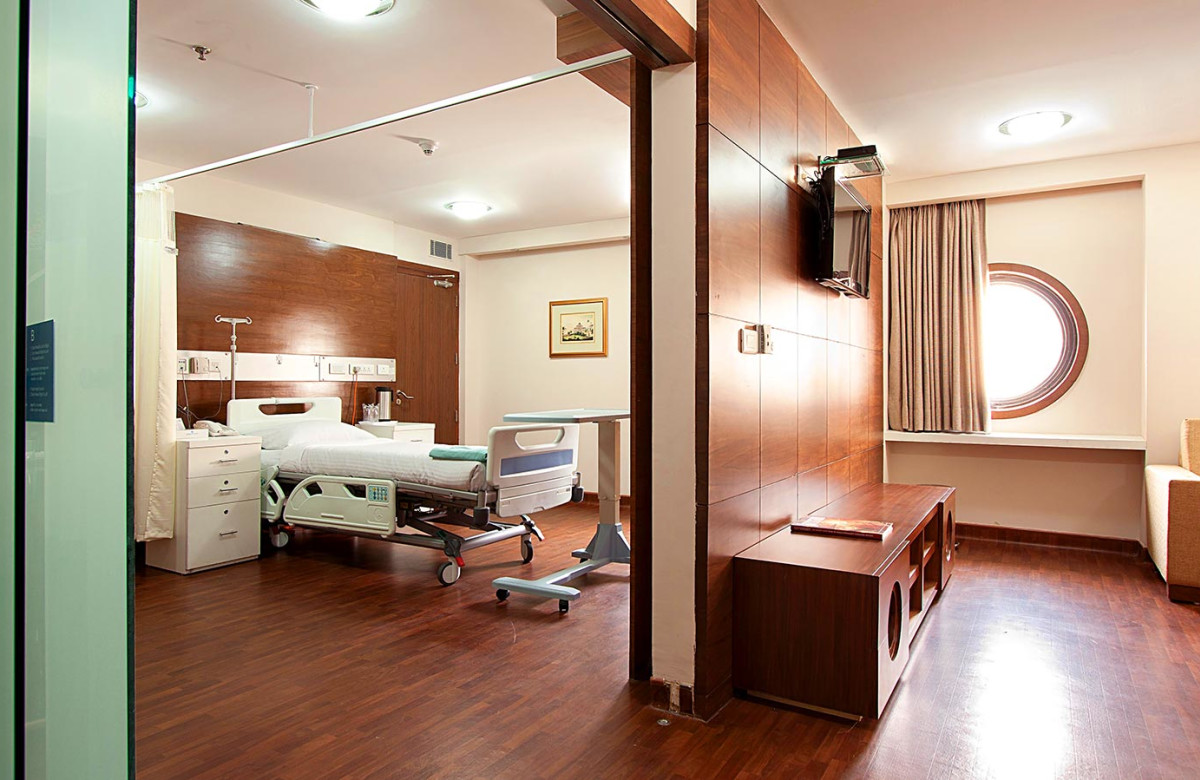
- Duration of Hospital Stay: If you are placed in the hospital for a prolonged time due to complications or a complex treatment plan, more charges will be incurred for room, nursing, and supportive care.
- Post-treatment Care: Ongoing medication, follow-ups, cardiac rehabilitation, and monitoring of devices also contribute to the overall treatment cost.
Treatment options
- Medications: Antiarrhythmic medicines such as beta-blockers, calcium channel blockers, and anticoagulants help to stabilize the heart rhythm and prevent problems such as stroke.
- Lifestyle Changes: Control of associated diseases such as hypertension, obesity, stress, and avoiding smoking and excessive alcohol intake can help decrease the number of episodes of arrhythmia.
- Electrical Cardioversion: A regulated electric shock is given to restore the heart's normal rhythm, often for atrial fibrillation and flutter.
- Catheter Ablation: A minimally invasive procedure where abnormal heart tissue that's causing abnormal heart rhythms is destroyed by heat or cold energy.
- Implantable Devices: Pacemakers keep slow beating hearts in check while implantable cardioverter defibrillators (ICDs) identify and correct the life-threatening rapid heartbeats.
- Surgery: In some cases, surgical procedures such as Maze surgery are performed to create scar tissue that prevents abnormal electrical signals from reaching.
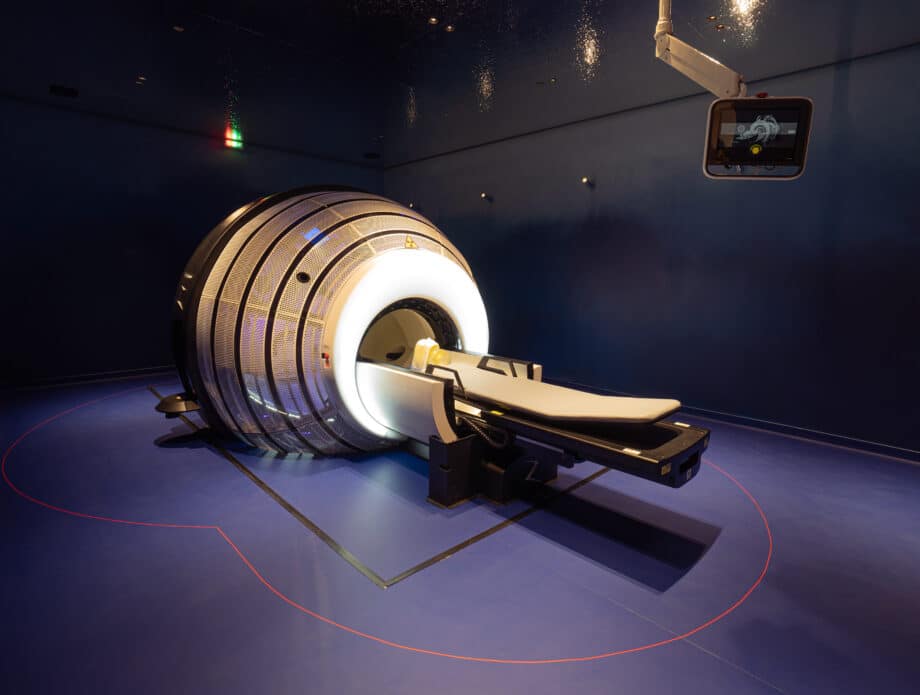
- Radiation Cost in Imaging: Diagnostic imaging, such as CT scans and fluoroscopy (used during ablation procedures), contributes to treatment costs because of radiation exposure and use of advanced technology.
How Medotil Global Assists International Patients
Medical Visa Assistance
- Guides patients through the process of obtaining a medical visa for India.
- Provides necessary documentation support, such as invitation letters from hospitals.
Accommodation Arrangements
- Helps secure comfortable and affordable lodging near treatment centers.
- Offers a range of options, including guest houses, hotels, or serviced apartments.
Food Services
- Assists in arranging dietary preferences, including international cuisines and special diets for medical needs.
Transportation Support
- Provides airport pickup and drop-off services.
- Offers reliable transportation for hospital visits and local travel.
Hospital and Doctor Selection
- Recommends top hospitals and connects patients with experienced specialists in their specific condition.
- Ensures access to advanced medical treatments and technology.
Tourism Services
- rganizes visits to famous tourist attractions like the Taj Mahal, Jaipur, Kerala, and other cultural landmarks.
- Tailors travel plans based on patient preferences and recovery needs.
24/7 Support
- Provides round-the-clock assistance for any queries or emergencies during the stay in India.