
Introduction
Congestive Heart Failure is a chronic condition whereby the body cannot pump blood efficiently because the heart fails to work properly and pump blood to the body as necessary. This results in the buildup of fluid in the lungs, legs, and other tissues, thereby causing symptoms such as breathlessness, fatigue, swelling, and loss of the capacity to exercise. Congestive Heart Failure may occur as a result of several underlying factors, such as coronary artery disease, high blood pressure, and cardiomyopathy. Treatment of Congestive Heart Failure focuses on relief of the symptoms and disease-slowing. These are lifestyle modifications that involve dietary modifications, physical activities, and quitting smoking. ACE inhibitors, diuretics, beta-blockers, and anticoagulants are the drugs that play significant roles in regulating the accumulation of fluid and improving the heart rate. In extreme cases, they may be fitted with implantable defibrillators or pacemakers, and an operation may be needed. To enhance these measures by maximizing the treatment effect and to positively influence the quality of life of patients with CHF, it is required to continuously observe them and provide aftercare.
Cost comparison
The cost of congestive heart failure (chf) treatment varies widely anywhere in the world, depending on the hospital, the patient’s overall health condition, post-operative complications, and care etc. The average cost of congestive heart failure (chf) in India is USD $5000.
But be assured, as the cost of Congestive Heart Failure (CHF) in India is just a fraction of developed nations.
- Avg Cost of treatment - $5000
- Maximum cost of treatment - $70000
Factors affecting Cost of treatment
- Severity of the Condition: The later stages of CHF can necessitate more aggressive treatment, like performing mechanical support or surgery, thereby increasing the cost of treatment.
- Treatment Type: The cost will differ based on whether the treatment is through drugs, lifestyle change, implantation of a device, or a heart transplant operation.
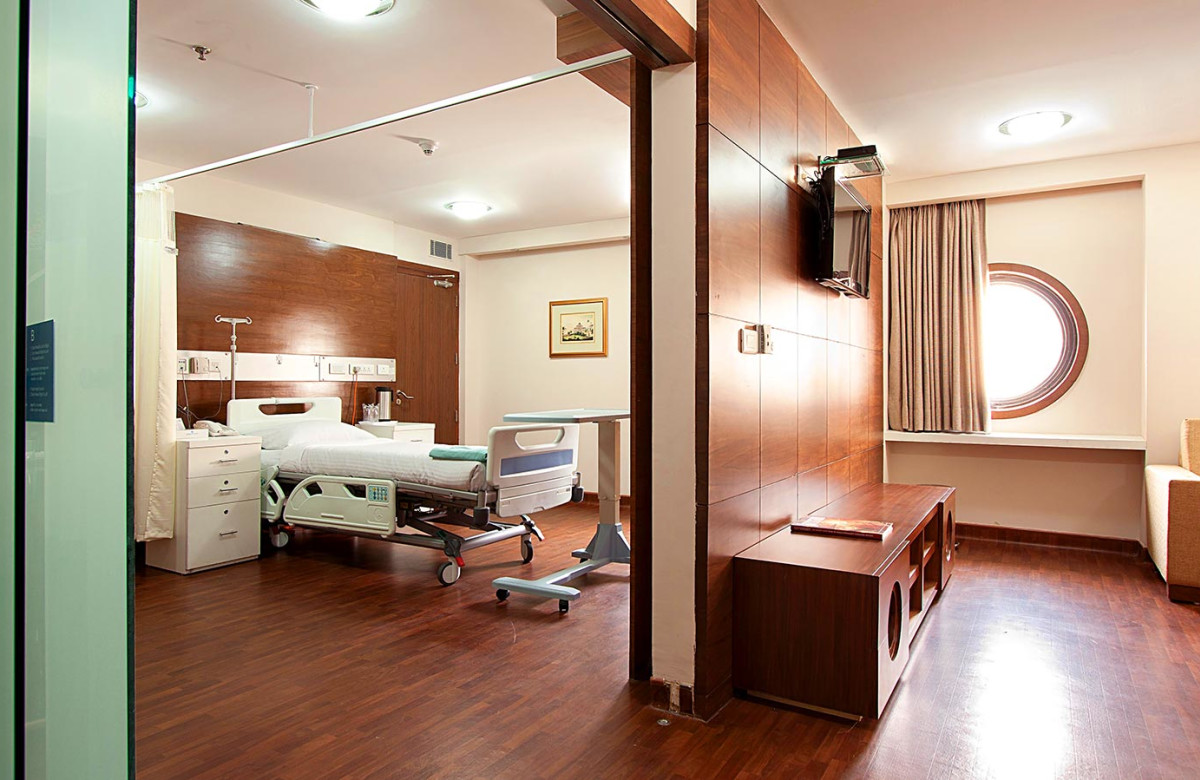
- Hospital Facilities: CHF treatment is more expensive in special cardiac centers and tertiary care hospitals that have high levels of technology.
- Diagnostic Tests: Frequent echocardiogram, blood test, and imaging studies are additional costs to the total care cost.
- Length of Hospital stay: Long inpatient and ICU stay, which may be required with severe CHF, is a cost to the hospitalization.
- Geographic Location: The prices of treatment vary depending on the city or region, and the metro area charges higher prices.
- Post-Treatment Care: Long-term care, such as rehabilitation, follow-ups, and medication costs, is part of the cost of treatment in the long run.
Treatment options
- Lifestyle Modifications: CHF management requires including a heart-healthy diet, physical exercise, weight control, and smoking cessation.
- Medications: ACE inhibitors, beta blockers, diuretics, and blood thinners are common medications to decrease the symptoms and improve the functioning of the heart.
- Implantable Devices: This may include implantable devices like pacemakers or implantable cardioverter-defibrillators (ICDs) to control cardiac rhythm and enhance the output of the heart in severe cases.
- Surgery: CHF can become advanced enough that surgery is necessary, such as valve repair, coronary artery bypass grafting (CABG), or ventricular repair.
- Heart Transplant: Heart transplant remains a potentially life-saving procedure in case of end-stage heart failure that is not responding to other treatments.
- Oxygen Therapy: Supplemental oxygen can be used to provide breathing support to the patient with CHF-related breathing problems.
- Monitoring: Conduction of regular check-ups, blood tests, and imaging, such as echocardiography, needs to be done to make continuous assessment and adjustments to treatment.
How Medotil Global Assists International Patients
Medical Visa Assistance
- Guides patients through the process of obtaining a medical visa for India.
- Provides necessary documentation support, such as invitation letters from hospitals.
Accommodation Arrangements
- Helps secure comfortable and affordable lodging near treatment centers.
- Offers a range of options, including guest houses, hotels, or serviced apartments.
Food Services
- Assists in arranging dietary preferences, including international cuisines and special diets for medical needs.
Transportation Support
- Provides airport pickup and drop-off services.
- Offers reliable transportation for hospital visits and local travel.
Hospital and Doctor Selection
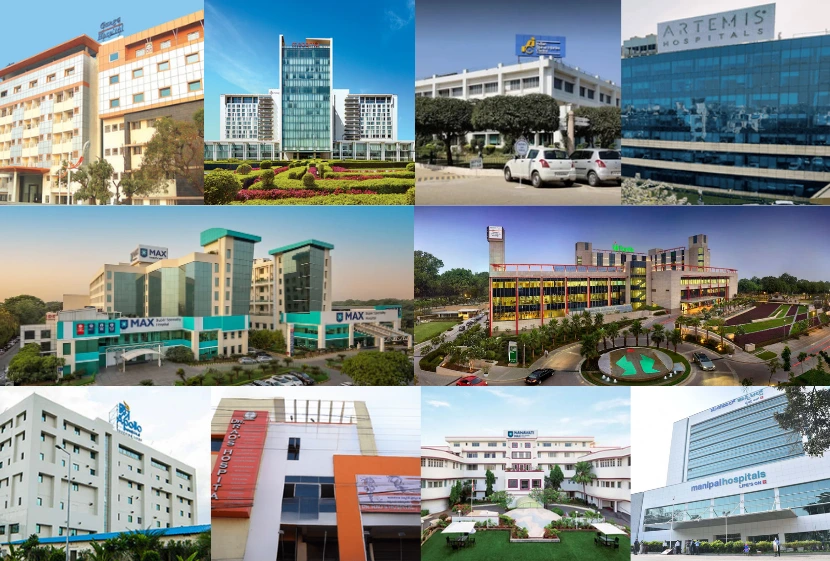
- Recommends top hospitals and connects patients with experienced specialists in their specific condition.
- Ensures access to advanced medical treatments and technology.
Tourism Services
- Organizes visits to famous tourist attractions like the Taj Mahal, Jaipur, Kerala, and other cultural landmarks.
- Tailors travel plans based on patient preferences and recovery needs.
24/7 Support
- Provides round-the-clock assistance for any queries or emergencies during the stay in India.