
Introduction
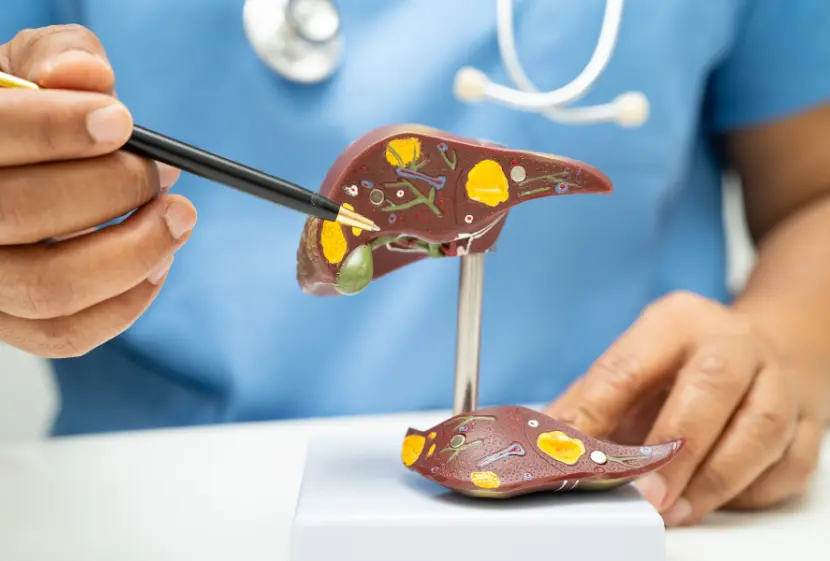
Rheumatic Heart Disease (RHD) is a serious heart condition that develops as a complication of untreated or poorly treated strep throat or scarlet fever caused by the bacteria streptococcus pyogenes. The disease primarily affects the heart valves, leading to their damage and scarring, which can impair heart function. RHD commonly affects children and young adults, especially in regions with limited access to healthcare. Symptoms may include fatigue, shortness of breath, chest pain, and swelling of the legs. If left untreated, it can lead to heart failure or stroke. Early diagnosis and treatment, including antibiotics to treat strep throat, as well as medications or surgery for valve repair, are essential for managing and preventing the progression of the disease. Public health measures to prevent infections are crucial in reducing the incidence of RHD.
Cost Comparison
The cost of rheumatic heart disease treatment varies widely anywhere in the world, depending on the hospital, the type of treatment, the patient’s overall health condition, post-treatment complications, and care etc. The average cost of rheumatic heart disease in India is USD $6000.
But be assured, as the cost of Rheumatic Heart Disease in India is just a fraction of developed nations.
- Avg Cost of treatment - $6000
- Maximum cost of treatment - $13000
Factors affecting Cost of treatment
- The course of action may include the use of long-term antibiotics and medicine for complicated surgical procedures such as valve repair or valve replacement. Health care operations would tend to be more expensive than medical care.
- The cardiologists and cardiac surgeons who are very experienced might charge high consultancy and surgery fees, and this increases the cost of the treatment.
- Additional tests like echocardiography, ECG, chest X-rays, and blood work would be a significant addition to the total costs, particularly when several of these tests are needed.
- The costs can increase because of hospitalization, post-operative visits, rehabilitation, and post-surgery medication. Complications can also increase the costs of recovery.
- Treatment may be complicated by the presence of other conditions like diabetes, hypertension, or kidney disease that will raise the cost of care and monitoring.
- The access and level of health insurance coverage have a lot of impact on the out-of-pocket expenses of patients.
- Minimally invasive surgery, advanced prosthetic heart valves, or specialized equipment may be costly to use but can yield better results.
Treatment options
- Antibiotic Therapy: To prevent repeated streptococcal infections and minimize the chances of additional damage to the valves, long-term penicillin (mostly) antibiotics are prescribed.
- Symptom Control Medications and Anti-inflammatories: Corticosteroids or aspirin are used to reduce the inflammation, whereas diuretics, beta-blockers, and ACE inhibitors can be used to treat the symptoms of heart failure and enhance the work of the heart.
- Anticoagulant Therapy: Blood-thinning medications are also prescribed to patients who have an artificial heart valve or atrial fibrillation to prevent blood clots and stroke.
- Valve Repair Surgery: Surgeons can undertake valve repair processes in case of damage to valves, to reinstate the normal working of valves and minimize the complications.
- Valve Replacement Surgery: The valves that are severely damaged can be substituted with the mechanical or biological (tissue) prosthetic valves based on the requirements of the patients.
- Balloon Valvuloplasty (Valvuloplasty): Reducing the constricted heart valves using a minimally invasive catheter-based procedure that is usually used to treat mitral valve stenosis.
- A lot of Surveillance and Control: ECTs, ECGs, and medical assessments should be conducted continuously to track the disease progress, problems, and adjust or adapt treatment, where needed. Treatment involves management of symptoms, pain, and enhancement of life quality.
How Medotil Global Assists International Patients
Medical Visa Assistance
- Guides patients through the process of obtaining a medical visa for India.
- Provides necessary documentation support, such as invitation letters from hospitals.
Accommodation Arrangements
- Helps secure comfortable and affordable lodging near treatment centers.
- Offers a range of options, including guest houses, hotels, or serviced apartments.
Food Services
- Assists in arranging dietary preferences, including international cuisines and special diets for medical needs.
Transportation Support
- Provides airport pickup and drop-off services.
- Offers reliable transportation for hospital visits and local travel.
Hospital and Doctor Selection
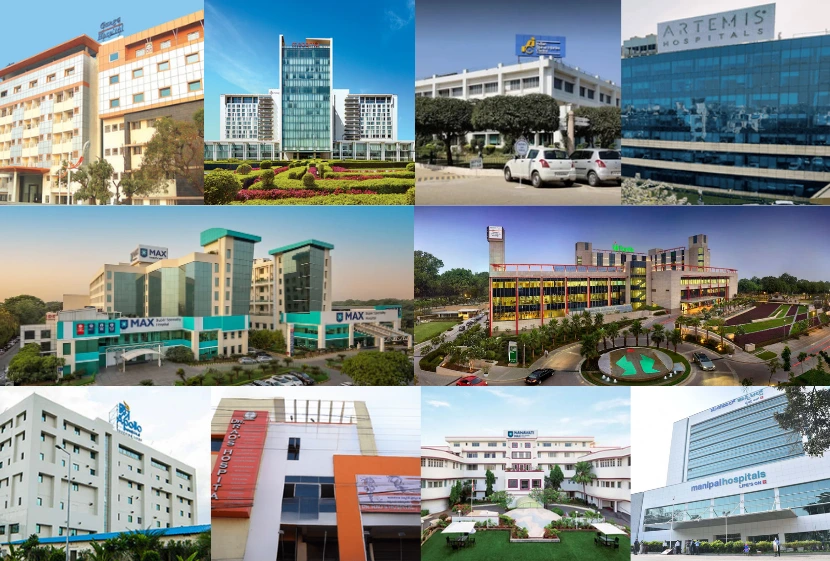
- Recommends top hospitals and connects patients with experienced specialists in their specific condition.
- Ensures access to advanced medical treatments and technology.
Tourism Services
- Organizes visits to famous tourist attractions like the Taj Mahal, Jaipur, Kerala, and other cultural landmarks.
- Tailors travel plans based on patient preferences and recovery needs.
24/7 Support
- Provides round-the-clock assistance for any queries or emergencies during the stay in India.