
Introduction
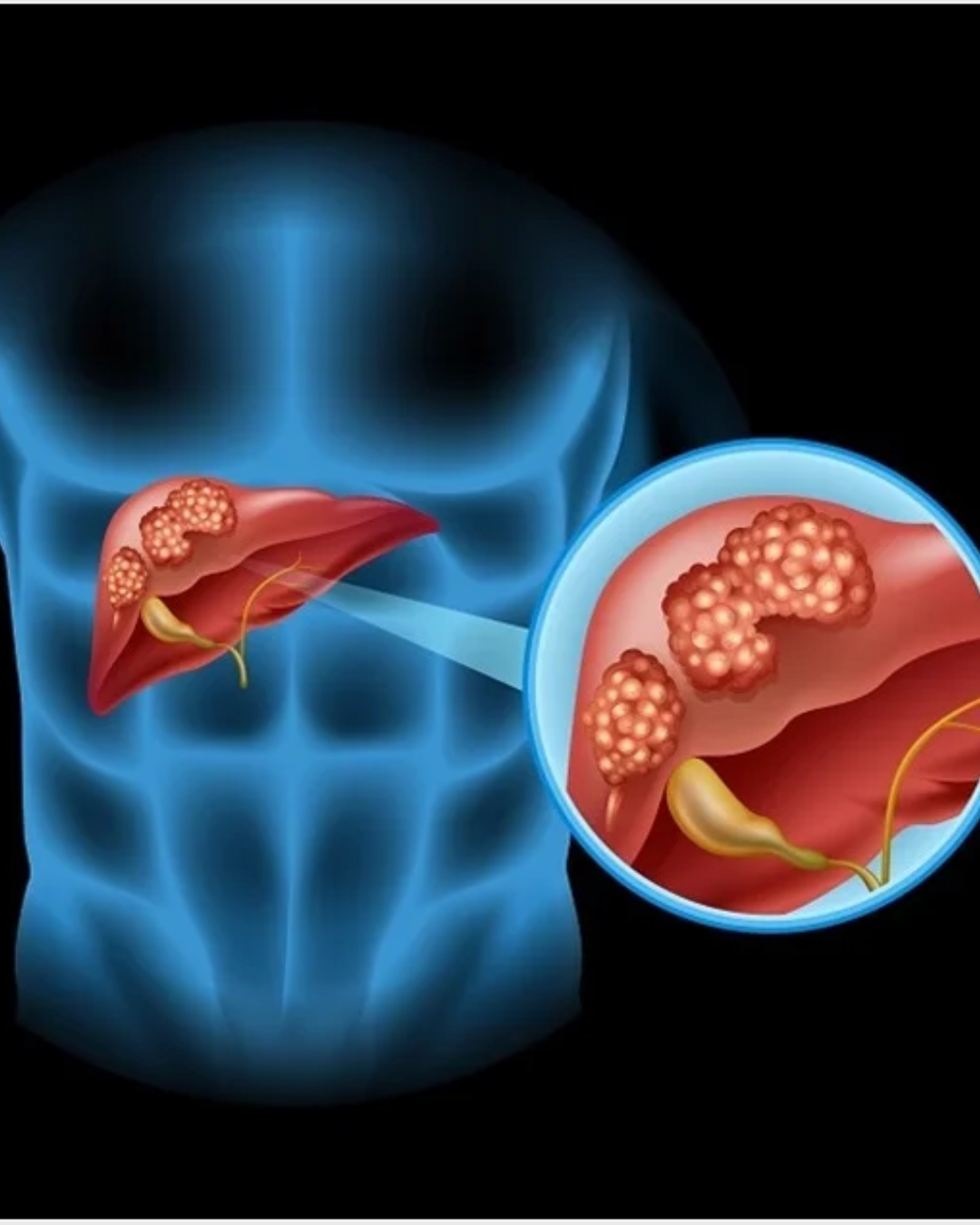
Diabetic nephropathy or diabetic kidney disease is a severe complication of diabetes that impairs the kidney's functioning in terms of filtering blood. It happens because of chronic injury of the small blood vessels in the kidneys after prolonged damage from high blood sugar over time. The result of this damage is leakage of proteins into the urine (proteinuria), elevation of blood pressure, and progressive deterioration of the kidney functions. Poor appetite and fatigue with the swelling of hands, feet, and face may be considered as the early symptoms. With time, the condition may progress to chronic kidney disease and eventually kidney failure unless it is treated well. The nephropathy secondary to diabetes is among the commonest causes of end-stage renal disease worldwide, and it poses a high risk of heart issues. Close management of blood sugar and blood pressure, frequent monitoring, and management are important to prevent the further development of this disease and decrease the complications.
Cost Comparison
The cost of diabetic nephropathy treatment varies widely anywhere in the world, depending on the hospital, the stage, the patient’s overall health condition, post-operative complications, and care etc. The average cost of diabetic nephropathy in India is USD $4000.
But be assured, as the cost of Diabetic Nephropathy in India is just a fraction of developed nations.
- Avg Cost of treatment - $4000
- Maximum cost of treatment - $10000
Factors affecting Cost Of Treatment
-
Cost – The cost will depend on if it is kidney disease stage 1 treatment or a more severe stage of kidney disease where the individual is going into kidney disease renal failure.
-
The extent to which the symptoms of kidney disease or other kidney malfunctioning are present determines the type of treatment and the amount of cost involved.
-
Costs vary under kidney disease treatment, such as medications, dialysis, or kidney transplants.
-
Renowned hospitals and doctors expertise: their charges are high for stage 1 kidney disease treatment as well as for advanced care.
-
Monitoring kidney disease symptoms includes regular tests, which equals higher expenses.
-
Treatment of prolonged kidney disease and prescription medication raise costs.
-
Managing Kidney Disease Renal failure requires long-term follow-up and is thus a part of managing costs post-treatment.
-
Complications and Co-morbidities: The costs are likely to increase due to additional diabetic treatments to combat the appearance of kidney malfunction.
Treatment Options
-
Managing diabetes is important in treating kidney disease stage 1 because it lessens the signs of kidney malfunction and lets the disease progress no further.
-
For Kidney Disease Treatment, ACE inhibitors, and ARBs help slow progression and are Blood Pressure Management medications.
-
Dietary Modifications are one, to reduce kidney strain; especially in kidney disease (renal failure) cases, a low protein diet can help.
-
Specific drugs will help control the symptoms of kidney disease, such as swelling and high blood pressure.
-
In more advanced stages, if a person has developed kidney disease renal renal failure, dialysis becomes necessary to remove the waste from the body.
-
It is one of the long-term kidney disease treatments for end-stage renal failure and offers better outcomes.
-
Kidney disease stage 1 treatment includes routine exercise, less salt intake, and avoiding smoking, all of which help with slowing down the progression of the disease.
-
Routine checkups help to detect early any indications of kidney malfunction and take timely action against it.
-
Diuretics contain low grains of salt to help the millions of Americans who suffer from fluid retention, a common kidney disease symptom.
-
Cholesterol and Anemia: Those with kidney disease renal failure must be treated for high cholesterol and anemia.
-
New Kidney Disease Study: There is new research focused on advanced therapies, which can increase patient outcomes.
How Medotil Global Assists International Patients
Medical Visa Assistance
- Guides patients through the process of obtaining a medical visa for India.
- Provides necessary documentation support, such as invitation letters from hospitals.
Accommodation Arrangements
- Helps secure comfortable and affordable lodging near treatment centers.
- Offers a range of options, including guest houses, hotels, or serviced apartments.
Food Services
- Assists in arranging dietary preferences, including international cuisines and special diets for medical needs.
Transportation Support
- Provides airport pickup and drop-off services.
- Offers reliable transportation for hospital visits and local travel.
Hospital and Doctor Selection
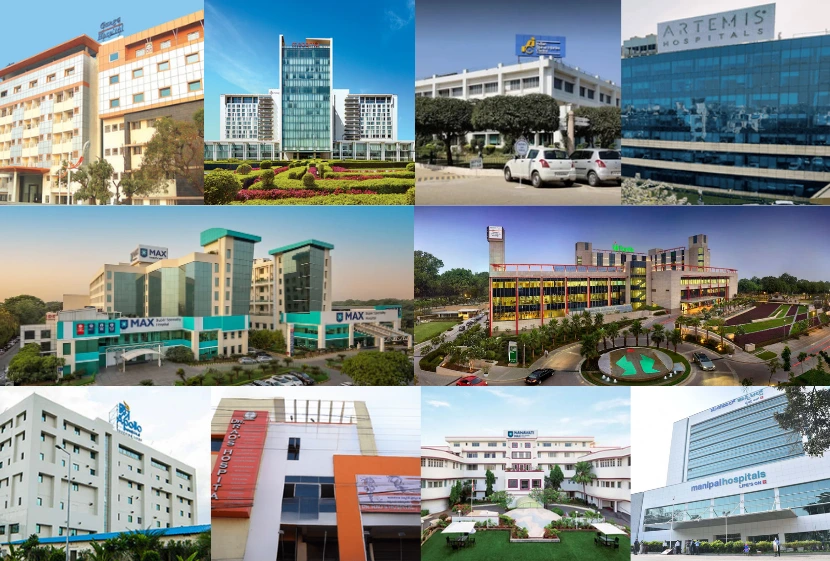
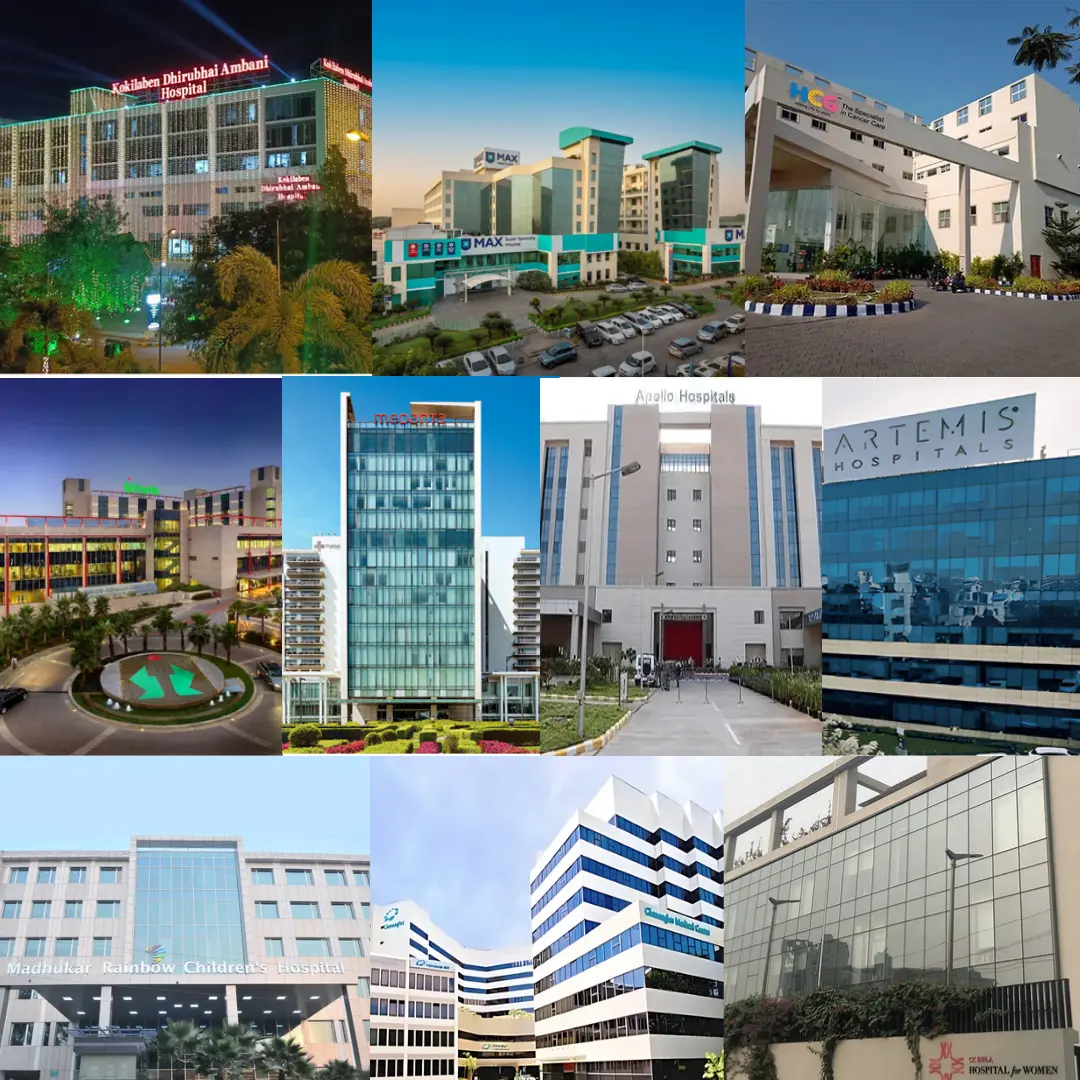
- Recommends top hospitals and connects patients with experienced specialists in their specific condition.
- Ensures access to advanced medical treatments and technology.
Tourism Services
- Organizes visits to famous tourist attractions like the Taj Mahal, Jaipur, Kerala, and other cultural landmarks.
- Tailors travel plans based on patient preferences and recovery needs.
24/7 Support
- Provides round-the-clock assistance for any queries or emergencies during the stay in India.